When global economic activity slows, energy demand often declines as manufacturing output, transportation, and commercial activity weaken. Reduced consumer spending and business investment lead factories to cut production, lowering demand for crude oil and natural gas.
Crude oil consumption typically falls as global trade and transportation volumes contract, while natural gas demand may weaken across industrial facilities and power generation.
Energy markets also respond to expectations, not just current consumption. Indicators such as Purchasing Managers’ Index (PMI), GDP growth, and industrial production can signal potential demand changes before they appear in inventory data. As a result, economic slowdowns can trigger price volatility in WTI, Brent crude, and natural gas markets.
Market Volatility and Opportunities Across Energy Commodity Instruments
Economic slowdowns alter the balance between energy supply and demand, triggering heightened price movement across commodity markets. While physical producers and industrial consumers must manage inventory risks and physical delivery contracts, financial market participants focus on price discovery and risk mitigation through derivative financial instruments. Contracts for Difference allow individuals and institutional entities to gain exposure to energy commodity price movements without taking physical delivery of raw commodities.
During an economic downturn, energy prices often experience prolonged downward trends or sharp fluctuations driven by production decisions from global oil alliances and changing macroeconomic forecasts. In such an environment, the ability to execute both long and short positions becomes essential. Going long allows participants to capitalize on price recoveries or supply side disruptions, while going short provides a mechanism to hedge existing exposure or profit from falling market valuations.
To execute these strategies efficiently, market participants rely on a dependable energy trading platform. A dedicated trading interface connects users directly to global liquidity pools, enabling immediate order execution when market conditions change rapidly. Rather than relying on traditional physical purchasing agreements, modern financial instruments allow market participants to adjust their market positions dynamically in response to real time economic releases, inventory reports, and central bank policy announcements.
Technical Requirements and Core Features of Energy Trading Platforms
Selecting the right technological infrastructure is a central concern for anyone participating in financial commodity markets. The quality of energy trading platforms directly influences trade execution efficiency, slippage levels, and overall risk management capability. During periods of elevated market volatility caused by economic shifts, liquidity and execution speed become decisive operational factors.
A robust energy trading platform must deliver transparent pricing and deep market liquidity across key energy benchmarks. High execution latency or wide pricing spreads can erode potential gains and increase transaction costs, particularly when market prices move rapidly. Order-routing technology and execution models can influence latency and fill quality, but actual execution prices may differ from quoted prices during volatile or illiquid conditions.
Furthermore, access to comprehensive charting capabilities, technical indicators, and customizable analytical tools enables users to conduct thorough market research. Traders examine support and resistance levels, moving averages, and volatility bands to identify strategic entry and exit points. Because energy markets operate around the clock during the standard business week, mobile accessibility and multi terminal functionality are mandatory requirements for contemporary market participants seeking to manage global risk continuously.
Operational Infrastructure and Risk Controls Available on GTCFX
Navigating global commodity markets requires institutional grade trading conditions combined with flexible risk management controls. GTCFX provides market participants with access to a wide range of energy CFDs, including WTI Crude Oil, Brent Crude Oil, and Natural Gas. Designed to accommodate diverse trading strategies, the broker offers ultra fast execution speeds averaging under ten milliseconds alongside ECN account structures with raw pricing spreads starting from zero pips.
By offering access through industry standard interfaces such as MetaTrader 4, MetaTrader 5, and the proprietary GTCFX Go mobile application, the broker ensures seamless market access across desktop and mobile devices. Market participants can utilize flexible leverage structures up to one to one thousand on energy instruments, allowing for capital efficient margin allocation while maintaining strict risk controls.
Risk management remains a primary concern during volatile market cycles. Through the trading solutions provided by GTCFX, users can implement precise risk containment parameters, including stop loss orders, take profit limits, and trailing stops. These features are critical when trading energy markets during economic downturns, as sudden supply adjustments by major oil producing nations or unexpected inventory drawdowns can spark rapid price reversals.
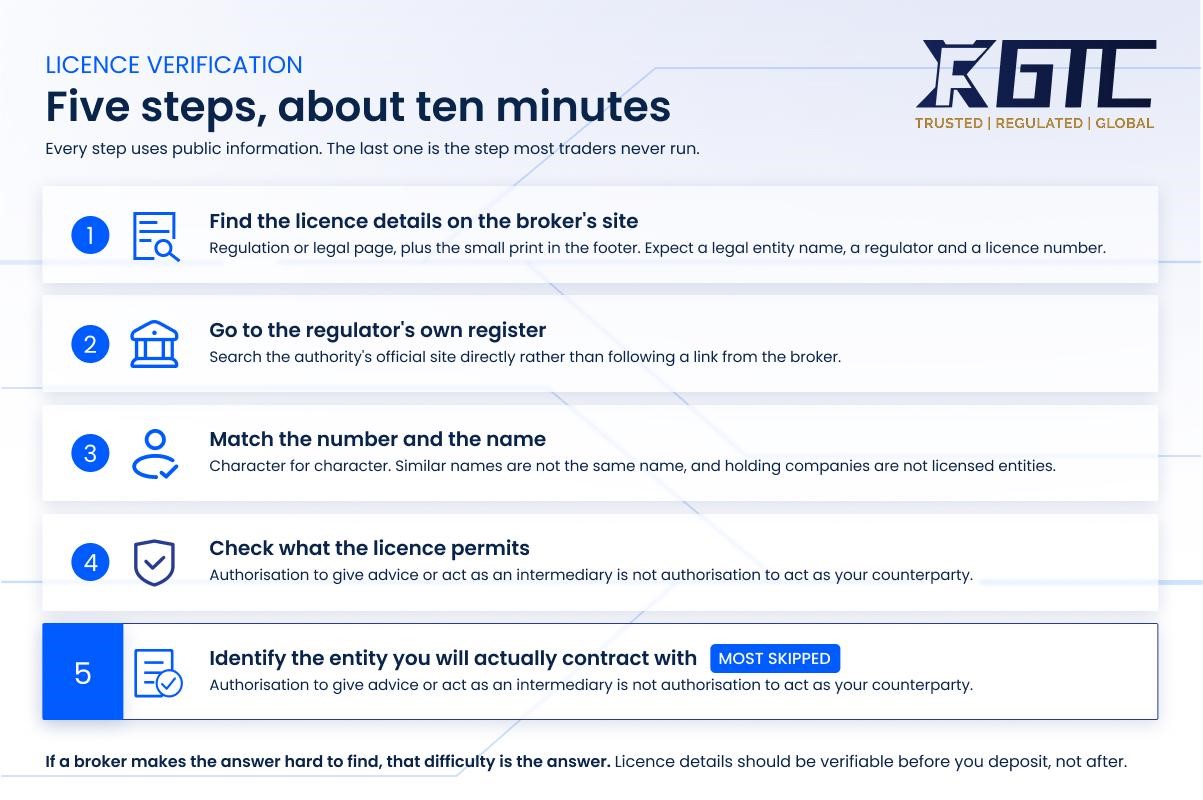
In addition to technical infrastructure, regulatory compliance and capital security are paramount considerations for traders selecting an energy broker. GTCFX operates under multi jurisdictional oversight with licenses from multiple financial regulatory authorities globally. This structural oversight, combined with segregated client funds and robust operational liquidity, gives market participants the necessary confidence to execute commodity trading strategies during turbulent economic conditions.
Adaptation in Volatile Energy Markets
Economic slowdowns fundamentally reshape global energy demand patterns, creating both challenges and strategic opportunities across commodity markets. As industrial production slows and commercial energy usage shifts, prices for crude oil and natural gas respond dynamically to changing economic metrics. Understanding these macroeconomic relationships is essential for any market participant seeking to evaluate energy market movements accurately.
Success in commodity markets depends heavily on combining thorough macroeconomic analysis with high performance technology. Modern energy trading platforms empower users to respond to market shifts with precision, enabling fast order execution, transparent pricing, and flexible long or short market positioning. Through the comprehensive trading infrastructure offered by GTCFX, market participants gain access to deep liquidity, competitive execution parameters, and sophisticated risk management tools required to navigate changing global energy cycles with confidence.
